What Makes A Great Autumn Beer?
All summer, people ask which of our beers is most refreshing, yet as the evenings draw in, they start looking for something with a bit more to it, usually to go with a proper dinner or a long afternoon in the pub.
I’ve been brewing long enough to expect it, and I love it when it happens.
The question can mean different things depending on the person. One person might want a maltier beer; another may still be looking for something light and hoppy. I like that there’s no single style people have to reach for.
So, what makes a great autumn beer? Here’s how I think about the styles and qualities that make a beer enjoyable at this time of year.
What Is an Autumn Beer?
Autumn beer is a loose term for the beers people tend to reach for as the weather cools.
Usually that brings to mind a malt-led amber ale, a rich stout or a seasonal lager, but those are only a few possibilities. Some drinkers look for more body as the weather cools. Others still prefer a lighter beer, perhaps with a brighter hop character.
There’s no official autumn style, and no rule that says a beer has to be a certain colour or strength to qualify.
Malt-led flavours such as toast or biscuit are popular at this time of year, especially with richer food. But they’re not a requirement. A crisp lager or a bright golden ale can be just as enjoyable on a mild autumn afternoon.
I like that there are no strict rules. Autumn gives you a reason to try something different, though there’s no need to set aside the styles you already enjoy.
What Qualities Make a Beer Feel Right for Autumn?
While there’s no fixed definition of autumn beer, I usually start with how a beer feels and whether it suits what I’m eating or doing.
Malt Character and Body
Malt can give a beer much of the flavour people associate with autumn.
Depending on how it’s been kilned or roasted, malt can bring flavours of bread, biscuit or caramel. The darkest roasted malt can bring notes of coffee or chocolate. These flavours also affect a beer’s colour, though a dark appearance doesn’t necessarily mean a beer will taste heavy.
Body also affects how a beer feels as you drink it. A fuller beer can be satisfying when you want something to sip slowly. A lighter one can still have plenty of flavour and may suit an occasion when you don’t want a heavier drink.
I pay attention to whether the malt character feels measured. It can be prominent without making the beer seem overly sweet or filling. The finish is also important. I want the flavour to linger, but I still want to look forward to the next sip.
Hops, Bitterness and Balance
Hops also have an important job in creating a great autumn beer. Some varieties bring citrus notes; others can seem more herbal. Their role depends on the beer, and on when they’re added during brewing.
Their bitterness can stop richer malt from becoming too sweet, and their aroma can add something herbal or gently fruity. I often enjoy traditional English hops such as Fuggles or Goldings in malt-led beers. Their character can bring an earthy or gently spicy note, depending on the variety and how it’s used.
For me, this is where a lot of autumn beers go wrong. It’s tempting to keep adding malt, but without enough bitterness to balance it, the beer ends up sweet and heavy and you’ve had enough after half a pint.
Strength, Warmth and Drinkability
Autumn beers often sit a little higher in strength than summer ones, and a touch more alcohol does bring a gentle sense of warmth. With that said, a high ABV beer doesn’t automatically make it an autumn drink.
I always think about strength in relation to the whole drink. Does it feel comfortable to sip? Does the flavour hold my interest? Would I want a full pint, or a smaller glass? Those are more useful questions than assuming a stronger beer will always feel more seasonal.
Some of my favourite autumn pints are session bitters under 4%, with plenty of malt flavour and body for their strength.
Which Autumn Beer Styles Are Worth Exploring?
You’ll also see plenty of pumpkin and spiced beers at this time of year. I don’t mind a little spice, but I’d rather the warmth in an autumn beer came from the malt.
Amber Ales, Bitters and Brown Ales
If one colour sums up autumn beer, it’s amber.
Amber ales and best bitters sit in the middle of the range, with more malt and colour than a golden ale but without the roast of a porter. Expect biscuit and caramel from the malt, with enough hop bitterness to keep things moving. They’re also some of the most traditional beers on a British bar, and an autumn afternoon in a country pub is where they make the most sense.
Red ales are another good choice, often bringing caramel or toasted malt flavours, depending on the style. Brown ales go a step further, with nuttier, toffee-like malt that suits the season’s food. They’ve fallen out of fashion over the years, which I think is a shame.
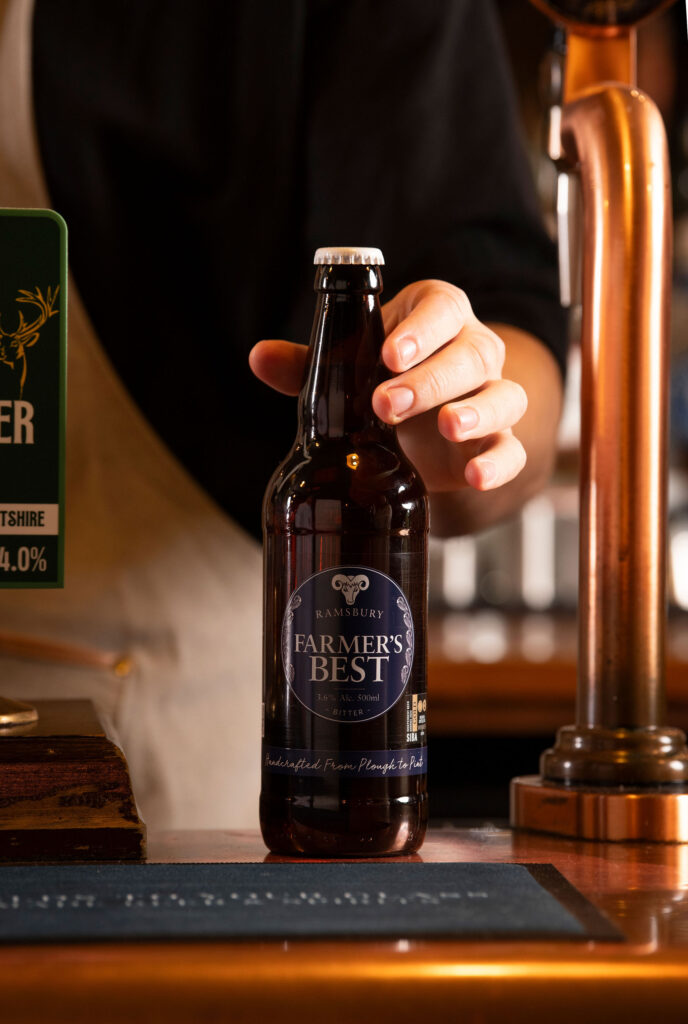
Our own Farmer’s Best is a session amber bitter brewed with barley from our fields, with caramel and toasted grain on the palate. At 3.6%, it’s the one I’d pour with a Sunday roast.
Märzen and Other Malt-Led Lagers
Lager has its own autumn tradition, and Märzen is the best-known example.
Traditionally brewed in Bavaria in March and stored through the summer, Märzen is an amber lager with bready, lightly toasted malt and a clean finish. It was historically the beer of Munich’s Oktoberfest, which is how it became so closely tied to this time of year. There’s more on it in our guide to Oktoberfest beer, including how it compares with the paler Festbier served in Munich today.
Darker lagers such as Munich Dunkel follow a similar idea, giving you malt depth with a lager’s crisp finish. They’re a good choice if you’d usually reach for a lager, and a style I’d like to see on more British bars.
Porters, Stouts and Other Darker Beers
Once the clocks go back, I find myself reaching for something darker.
Porters and stouts use roasted malts to bring coffee and dark chocolate, sometimes with a dry, almost burnt edge. Porters tend to be a touch softer, while stouts often lean further into the roast. Milk stouts add lactose for a smoother, gently sweet finish. If I’m honest, porter is my autumn dark beer, and I tend to save the bigger stouts for winter.
Plenty of excellent porters and stouts come in at a sessionable strength, and those are the ones I go back to most.
Golden Ales and Harvest Beers
Early autumn still has its warm afternoons, and that’s the time for golden ales and harvest beers.
Green-hop beers are among the most seasonal of the lot. Brewed with freshly harvested hops rather than dried ones, they can have a particularly fresh, grassy or resinous character that makes them worth seeking out around harvest time.
If you prefer something lighter, a well-made golden ale with English hops still feels at home. Our Ramsbury Gold is a British golden ale with a hoppy aroma and a refreshing taste.
How I Choose a Beer for an Autumn Occasion
When deciding on the perfect autumn beer, I usually start with the food I will be eating and then think about where I’ll be drinking it.
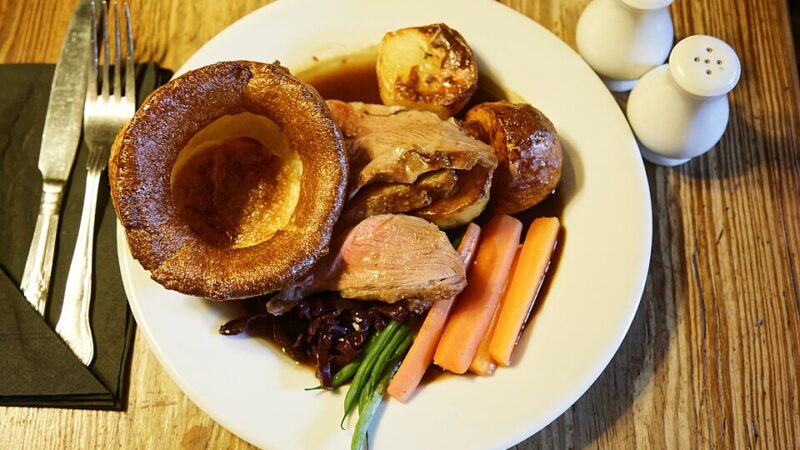
Autumn food is rich and savoury, which suits malty beers well. A roast dinner with an amber bitter is about as reliable a pairing as I know, because the caramel and toasted notes in the malt pick up the browned edges of the meat. For something slow-cooked, I might choose a brown ale or porter. With chocolate pudding, I’d be tempted by a stout.
My go-to choice of autumn beer is also largely influenced by occasion.
After a long autumn walk, I want something sessionable, usually a bitter of around 4%. A cold Bonfire Night calls for something with more depth, which is where I’d reach for a porter.
If I’m drinking cask ale, I prefer it served at cellar temperature; around 11–13°C is a commonly used guide for real ale. Bottled beers vary, so I’d follow the brewer’s serving advice rather than assume they all need the same temperature.
So, What Makes a Great Autumn Beer?
For me, a great autumn beer comes down to character, balance and the occasion. Some days that means a malt-driven bitter with a Sunday roast. Other times, it’s a porter after a long walk or a golden ale on one of those unexpectedly warm autumn afternoons.
That’s what I enjoy about this time of year. There’s plenty of variety, and no need to stick to one particular style.
If you’d like to see how that thinking comes together in the brewhouse, our Meet the Brewer evening takes you onto the brew deck to try our core and seasonal beers, finishing with a food and beer tasting where you can ask whatever you like.