What Are Gin Botanicals and How Do They Affect Flavour?
There are few parts of making gin where you get quite as much variety as you do with botanicals. Put juniper, citrus peel, roots, spices and flowers alongside one another and they can feel like completely separate ingredients. Some are immediately recognisable. Others are much quieter.
The interesting part for me is what happens when you start bringing them together.
Botanicals give gin much of its aroma and flavour, but choosing them is really only the beginning. A lot of care goes into understanding which ingredients complement one another, how strongly each should come through and, sometimes most importantly, when to stop.
That balance is where a gin begins to find its character.
What Are Gin Botanicals?
Gin botanicals are the natural ingredients used to create much of the flavour and aroma in a gin.
Juniper is the one most people will recognise, but a recipe can also include citrus peel, roots, seeds, spices, fruit, herbs and flowers. Individually, many of those ingredients have a very distinctive character. What I find more interesting is that they don’t necessarily behave in quite the same way once they become part of a gin.
Something that smells incredibly powerful in your hand might become much more subtle after distillation. Another botanical might only be used in a small amount but have a noticeable effect on everything around it. So when I’m thinking about botanicals, I’m rarely looking at them as a list of separate flavours.
Why Juniper Is the Backbone of Every Gin
Whatever direction you take a gin in, it starts with juniper.
Its piney, slightly citrus lemon character gives gin its familiar foundation. More importantly, juniper isn’t simply another flavour you can choose to include or leave out. For a spirit to be gin, juniper needs to remain the predominant flavour. I want enough of that recognisable juniper character to come through, but that doesn’t mean it needs to overpower everything around it.
There are plenty of directions you can take a gin once you start introducing other botanicals. Juniper is what keeps bringing you back. Once that foundation feels right, the interesting part is deciding what everything else should contribute.
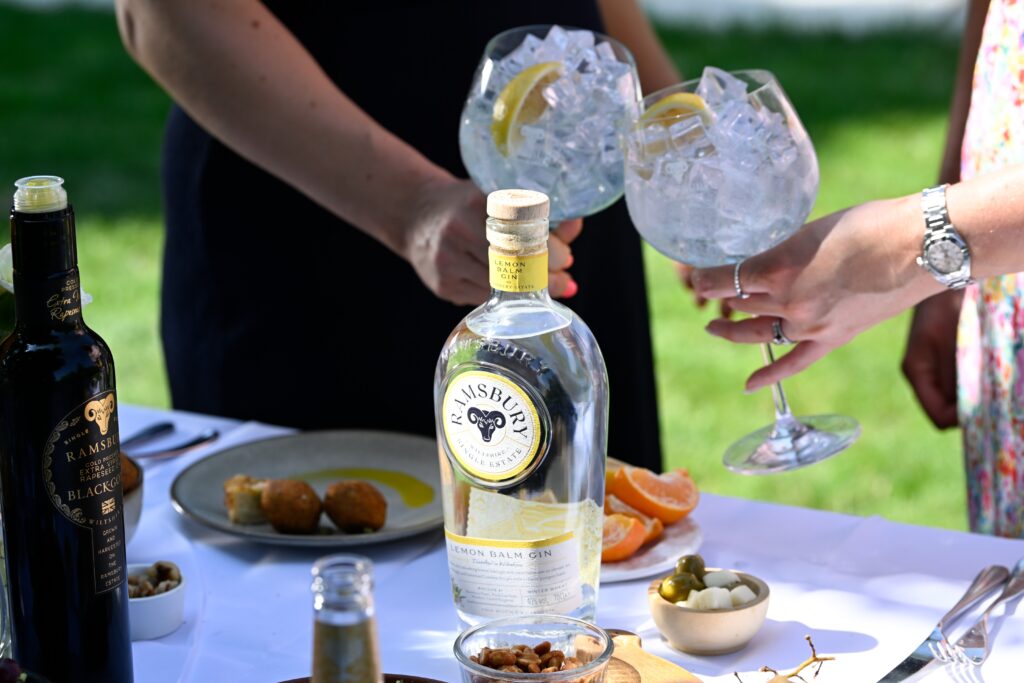
How Do Other Botanicals Change the Flavour of Gin?
Botanicals shape gin’s flavour and aroma by each contributing something different.
- Citrus brings brightness
- Roots such as angelica add structure
- Spices bring warmth
- Florals can add lift
Juniper provides the foundation, and my job is deciding how much of everything else to build around it.
In the aroma
Citrus peel is full of aromatic oils, so it can often reach you before you’ve taken a sip, helping to keep a gin feeling fresh rather than heavy. Florals such as elderflower, lavender, rose or violet are botanicals I’d approach particularly carefully. They can add something lovely to the aroma, but they can take over surprisingly quickly.
Sometimes I don’t want somebody to taste a gin and immediately say, “that’s lavender”. I just want it to lift the nose or soften what’s sitting alongside it.
On the palate
This is where those different botanicals begin to settle into one another. Underneath the brighter flavours, roots such as angelica are doing quieter work. Angelica can help hold some of those more fleeting botanical aromas together while bringing its own woody character.
It is also on the palate where flavours evolve and roll opening out in subtle waves to explore and savour This is also where the soft mouth feel develops which gives an almost chewy sensation and lingers to remind you of the complexity of a gin.
In the finish
This is often where spice becomes more noticeable. In our gin, cinnamon brings warmth alongside the citrus and juniper, adding another layer without making the spirit feel heavy. That’s what I mean by balance. No single botanical needs to do all the work. Each one has its part to play, with the juniper holding everything together.
Finding the Right Balance
Getting from a collection of botanicals to a finished recipe takes time.
Something can sound like a perfect combination written down and behave quite differently once you actually work with it. Increase one botanical and something else can suddenly seem quieter. Push a floral note slightly further and it can become the first thing you smell. An ingredient that seemed interesting on its own might simply not earn its place once everything comes together.
That’s why there is a lot of tasting, adjusting and refining behind a gin recipe. We spend time developing the recipe and understanding what each ingredient contributes before we’re happy with the final balance.
For me, more botanicals don’t automatically mean a more interesting gin either.
You could keep adding ingredients almost indefinitely. The more useful question is whether each one deserves to be there. If removing something makes no meaningful difference to the finished gin, you have to ask what it was doing there in the first place.
Why the Quality of the Ingredients Matters
You can spend a long time refining a recipe, but the quality of what goes into it still matters. At Ramsbury, we grow the wheat used to make our base spirit here on the estate, while the quince used in Ramsbury Gin grows in the grounds of the distillery. Where we aren’t able to grow an ingredient ourselves, we look to source as locally as we can while getting the quality we need. We also use natural botanicals rather than trying to recreate those flavours artificially. We want the character in the finished gin to come from the ingredients themselves.
Natural produce isn’t always completely uniform, either. Fruit, flowers and other botanicals can have their own character depending on where and how they have grown. Fruit in particular can take a gin in very different directions, which you can taste by trying our Blackberry Gin.
I think that’s part of what makes them interesting to work with. The recipe gives us the framework. The ingredients give us something worth working with.
What I Look for in the Finished Gin
By the time I taste the finished gin, I’m not trying to pick every botanical out one by one.
Quite often, I’ll learn something from the aroma first. Is one ingredient starting to dominate? Is there enough freshness? Does the juniper still give me that recognisable backbone? Then I’m looking at how everything comes together on the palate and through the finish.
For me, a balanced gin shouldn’t feel like a collection of separate ingredients competing for attention. The botanicals should support one another, with juniper holding the spirit together. When that happens, you stop thinking quite so much about the individual botanicals. You start tasting the gin. And after all the recipe development, tasting and small adjustments that happen along the way, that’s ultimately what we’re trying to achieve.
If you’d like to put some of that thinking into practice yourself, our Ramsbury Gin School gives you the chance to choose your own blend of botanicals and distil a personalised gin here at the estate. Or, if you’d like to learn more about the wider production process first, you can discover more about how we make our spirits at Ramsbury.
Frequently Asked Questions About Gin Botanicals
Are gin botanicals distilled together or separately?
There isn’t one approach used by every distiller. Botanicals can be distilled together as part of the same recipe, while some methods involve working with certain botanicals or botanical distillates separately. The chosen method can influence how the finished flavours are brought together.
However, to be called a London Dry Gin which is the preeminent style, post distillation you are not able to add any other flavours or botanicals which means you have to get it right first time.
Does all gin have to contain juniper?
Yes. Juniper is the defining botanical in gin and must remain the predominant flavour, even when other botanicals give the finished spirit citrus, floral, fruity or spicy characteristics.
Can you use too many botanicals in gin?
There isn’t a perfect number of botanicals for a gin. For me, what matters is whether each one contributes something worthwhile. Adding more ingredients doesn’t automatically create a better or more complex gin.
What botanicals are used in Ramsbury Gin?
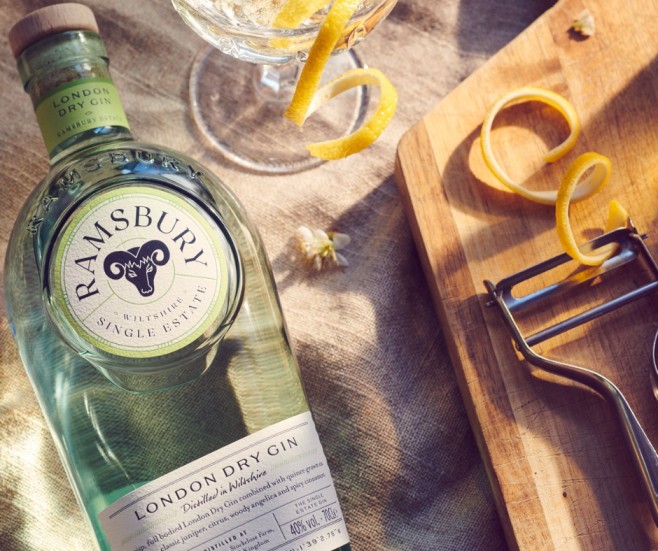
Ramsbury Gin combines juniper with botanicals including quince grown at the distillery, citrus, angelica, bitter almond and cinnamon. Together they create the balance of fruit, freshness, spice and classic juniper character we look for in the finished gin.