What Is Sloe Gin and How Is It Made? A Distiller’s Guide
There are certain things in the distillery that tell you the season is beginning to change. Sloe gin is one of them. As the sloes ripen and autumn starts to arrive, our attention turns to a spirit that works very much at nature’s pace. You can’t hurry the fruit, and once it reaches the distillery, the gin still needs time to take on its character.
That’s part of what I enjoy about making it.
Sloe gin is fairly simple in principle, but there’s more going on in the bottle than you might expect. From choosing the gin underneath it to judging when the fruit has given us enough, here’s what actually goes into making Ramsbury Sloe Gin.
What Is Sloe Gin?
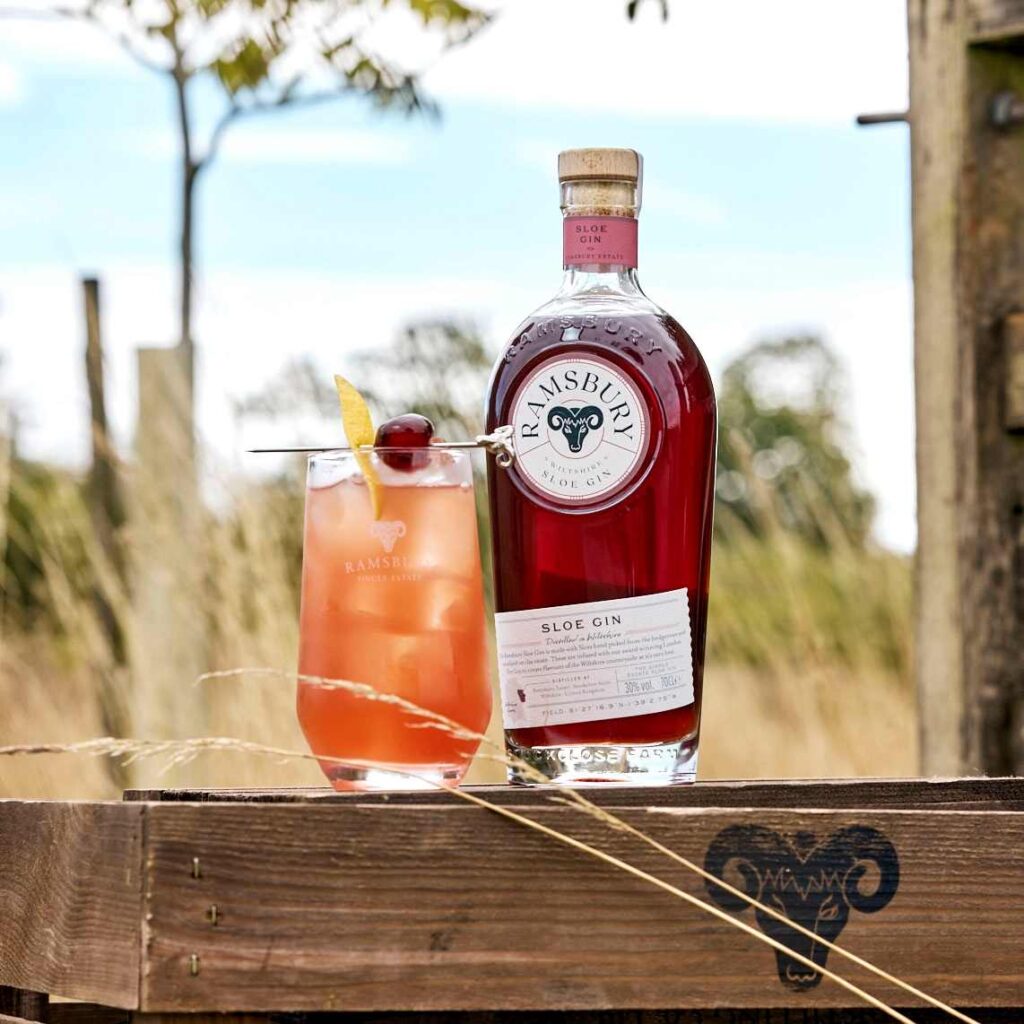
Sloe gin is a fruit liqueur made by infusing gin with sloe berries and adding sweetness to balance the natural sharpness of the fruit.
Despite the name, it drinks quite differently from a traditional dry gin. The sloes bring a deeper fruit character and the finished spirit is sweeter, with a softer feel on the palate.
The gin underneath still matters though. For me, that’s an important part of a good sloe gin. The fruit should enhance the spirit, but it shouldn’t completely hide where it started.
What Are Sloe Berries?
Sloes are the small, blue-black fruit of the blackthorn bush. They begin to ripen towards the end of summer and into autumn, which is one of the reasons sloe gin has such a strong connection with the colder months.
If you’ve ever eaten a fresh sloe, you’ll probably remember it. They can be incredibly tart, with an astringency that leaves your mouth feeling noticeably dry.
They become much more interesting once alcohol gets involved.
As the berries sit in gin, the spirit gradually extracts colour and flavour from the fruit. What starts as a clear gin takes on the deep red colour most of us associate with sloe gin, while that sharp fresh-fruit character begins to soften.
Watching that change happen is one of the more satisfying parts of the process.
How Is Sloe Gin Made?
At its simplest, making sloe gin means bringing together gin and ripe sloes, then allowing enough time for the fruit to influence the spirit. Sweetness is added to bring the finished drink back into balance.
The principle itself is straightforward. The decisions you make along the way have a much bigger influence on what eventually ends up in the glass.
Starting With the Gin
Before we think about the fruit, we need a gin worth building on.
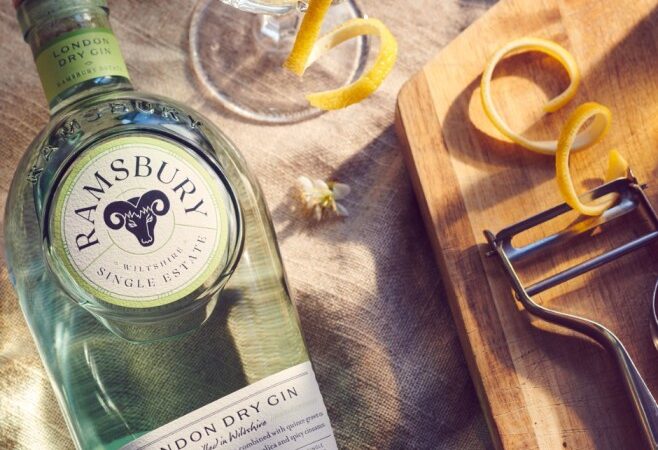
At Ramsbury, we use our Single Estate Gin as the starting point. It begins with wheat grown here on the estate before being distilled and redistilled with our chosen botanicals.
The reason the base matters is fairly straightforward: adding fruit doesn’t make the original gin irrelevant.
Some of its botanical character will naturally become quieter as the sloes develop, but I still want there to be enough underneath to give the finished spirit structure.
Adding the Sloes
Once the sloes meet the gin, time starts doing much of the work.
This process is known as maceration. In simple terms, the fruit is left in contact with the alcohol so the spirit can gradually draw flavour and colour from it.
It doesn’t happen all at once.
Early on, the fruit and gin can still feel quite separate. As the maceration progresses, the colour deepens and the flavour changes with it. The sloes become less about that very sharp fresh-fruit taste and begin to develop the richer character we associate with the finished drink.
Giving the Fruit Time
There is always a temptation in production to look for ways of speeding things up. Sloe gin isn’t particularly interested in that.
The fruit needs enough time in contact with the spirit to give us the depth we’re looking for. That doesn’t mean simply leaving it alone and hoping for the best, either. Part of the job is paying attention to how the spirit is developing and understanding when it has reached the right point.
Colour can tell you something. Tasting tells you considerably more.
Eventually, the gin and the sloes stop feeling like two separate ingredients. That’s when things become interesting.
Finding the Right Sweetness
Sloes naturally bring quite a bit of acidity and astringency, so sweetness plays an important part in sloe gin.
It needs some restraint, though.
If a sloe gin becomes too sweet, you can quickly lose some of the character of the fruit. It can also cover the gin underneath, which rather defeats the point of starting with a spirit you’ve put so much work into.
The aim is to soften the sharper edges of the sloes while allowing them to remain recognisable.
Knowing When It’s Ready
There isn’t one visual cue that tells you a sloe gin is finished.
What I’m looking for is balance. The fruit needs to feel properly integrated with the spirit rather than sitting on top of it, while the sweetness should help everything along without becoming the first thing you notice.
When it all begins to feel settled in the glass, we’re much closer to something I’d be happy to bottle.
When Is Sloe Gin Made?
Sloe gin follows the fruit.
Sloes ripen around autumn, so the traditional production calendar begins once the berries are ready to be picked. From there, the maceration carries the process further into the season.
That natural timing is important because it means sloe gin has always been closely connected to the harvest. Here at Ramsbury, that relationship with the season plays a particularly important part in how we approach each release.
Making Sloe Gin at Ramsbury
One of the things I like about making sloe gin is that the fruit doesn’t arrive as a completely standardised ingredient.
We make our Sloe Gin in small batches and work with hand-picked sloes, allowing the character of the harvest to play its part in the finished spirit. Availability can change with the season too. Our Sloe Gin returned in 2025 after a two-year absence, following a particularly strong sloe harvest and has returned again this year!
That’s a useful reminder that when you work with seasonal ingredients, nature still has a say in what ends up in the bottle.
We also use honey from our own estate hives to bring sweetness to the finished Sloe Gin. Rather than being there simply to take the edge off the fruit, the honey contributes to the character of the spirit and gives the finish a softer sweetness.
For me, that small-batch approach suits sloe gin particularly well. We’re working with what the season has given us and making decisions from there.
Why Does Sloe Gin Taste Different to Regular Gin?
The biggest difference is what the sloes bring to the spirit.
With a regular gin, the botanicals tend to lead the conversation. Juniper is usually prominent, while other notes come through depending on the recipe.
Once you introduce sloes, the profile becomes much more fruit-led. There’s additional sweetness too, and the spirit usually feels rounder than the dry gin it began with.
That doesn’t mean the gin should disappear.
For me, a good sloe gin still has enough botanical character underneath to remind you where it started. The fruit should be obvious, but there needs to be something supporting it.
In Ramsbury Sloe Gin, that means rich dark-fruit flavours with a subtle almond note. The estate honey brings a softer sweetness to the finish.
It’s that relationship between the original gin and what the sloes add that I find most interesting. You’re starting with one spirit and allowing the season to take it somewhere quite different.
How I Like to Drink Sloe Gin
Sloe gin doesn’t need a great deal of help.
I’d always suggest trying it neat first, particularly if you want to understand what the fruit has brought to the spirit. Slightly chilled works well, or you can pour it over ice and let it open up slowly.
It also works well in longer drinks and cocktails because the spirit already brings both fruit and sweetness. If you want to experiment a little further, our cocktail recipes are a good place to start.
Personally, though, there’s something fitting about keeping the first glass uncomplicated.
After spending all that time waiting for the sloes to do their work, it seems only fair to let them speak for themselves.
A Spirit That Belongs to the Season
I think that’s ultimately why I enjoy making sloe gin.
It retains a real connection to what is happening outside the distillery. The fruit has to be ready before we can begin, and once it is, we still have to give it the time it needs.
By the time we’re happy with the finished batch, autumn is well under way and what began as our Single Estate Gin has taken on a completely different character.
There’s something quite satisfying about that.
And if you’d like to step a little further behind the scenes, our Meet the Distiller experience gives you the chance to come into the distillery and discover how our spirits are made first-hand.
If you’d like to taste the result for yourself, this year’s Ramsbury Sloe Gin is now available. Discover our seasonal Sloe Gin and enjoy a little of the season in your glass.